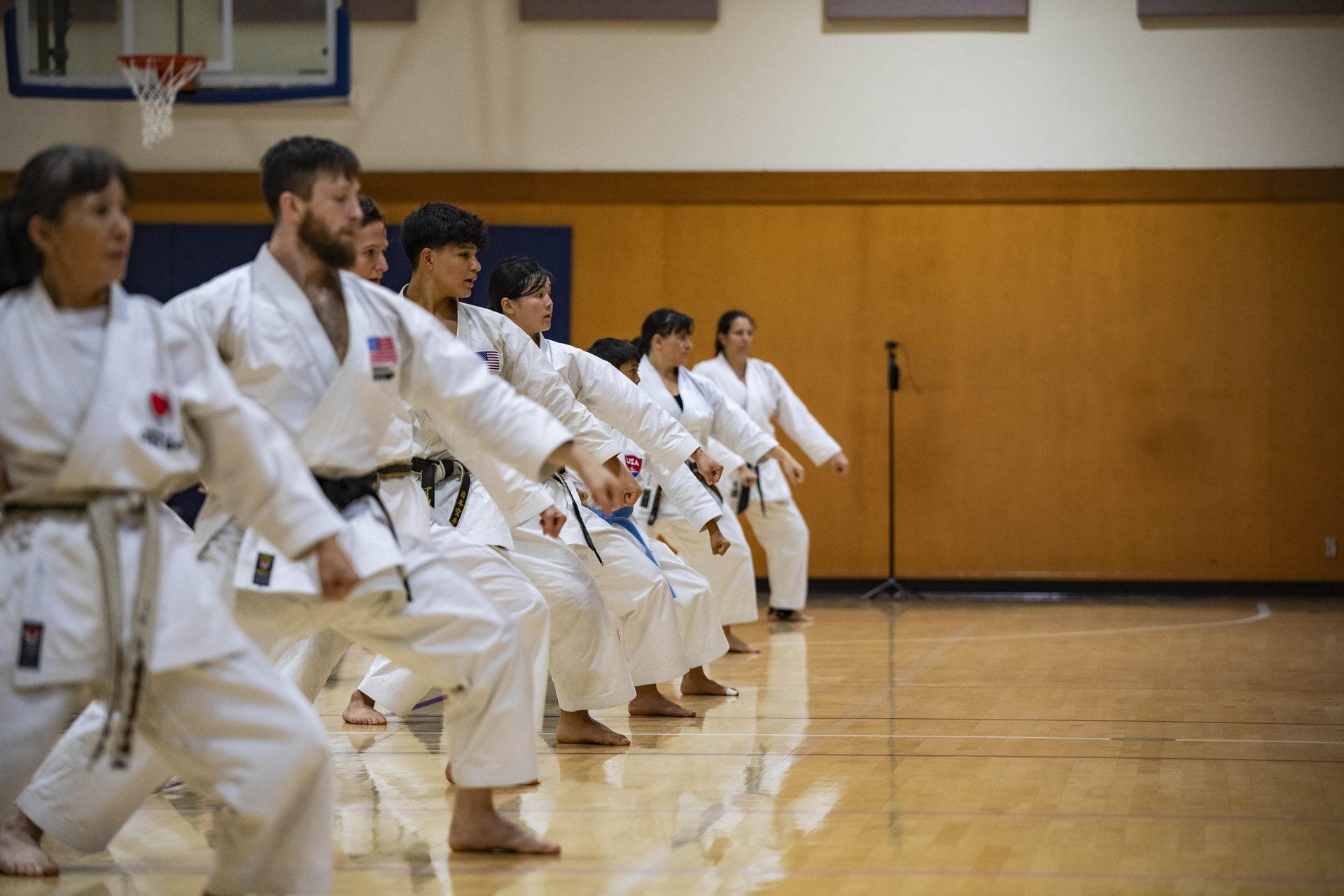
Welcome to JKA NorCal Shotokan Karate!

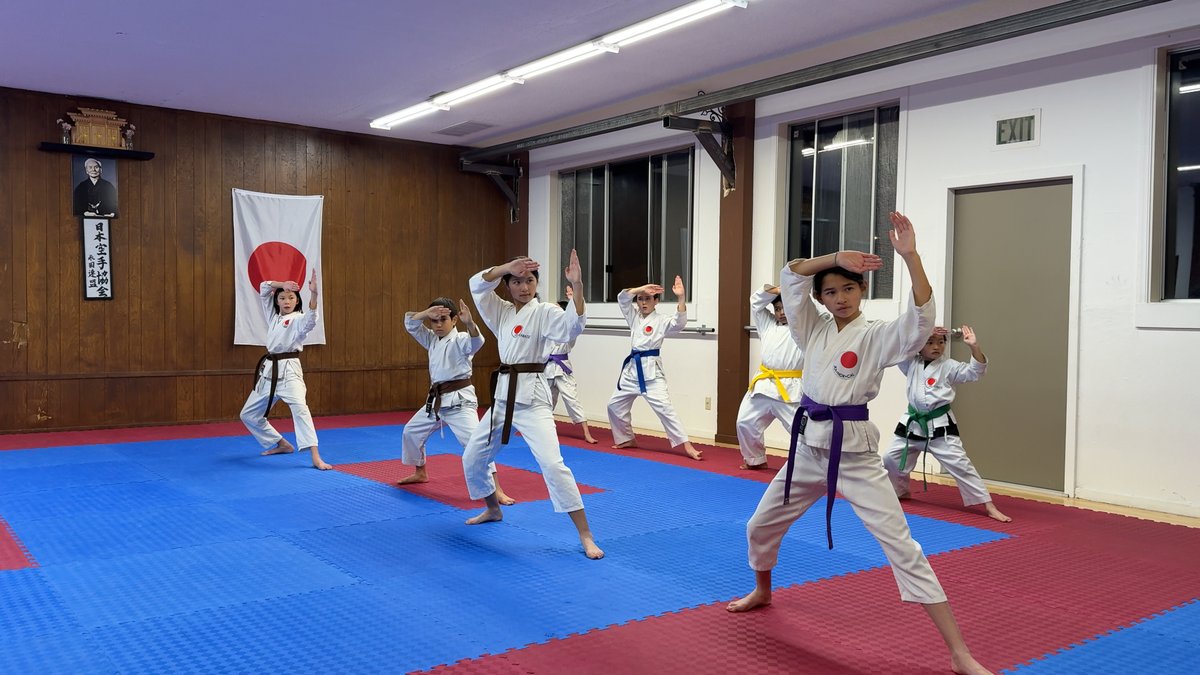
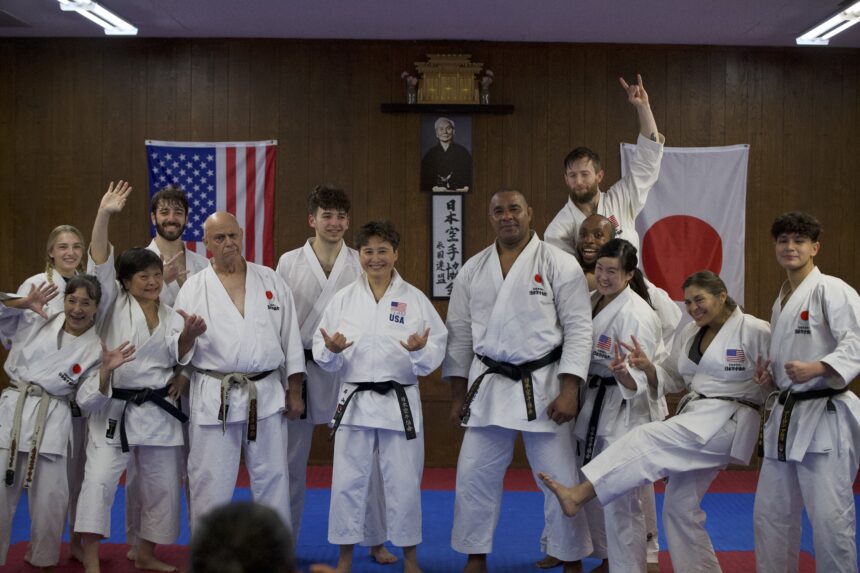
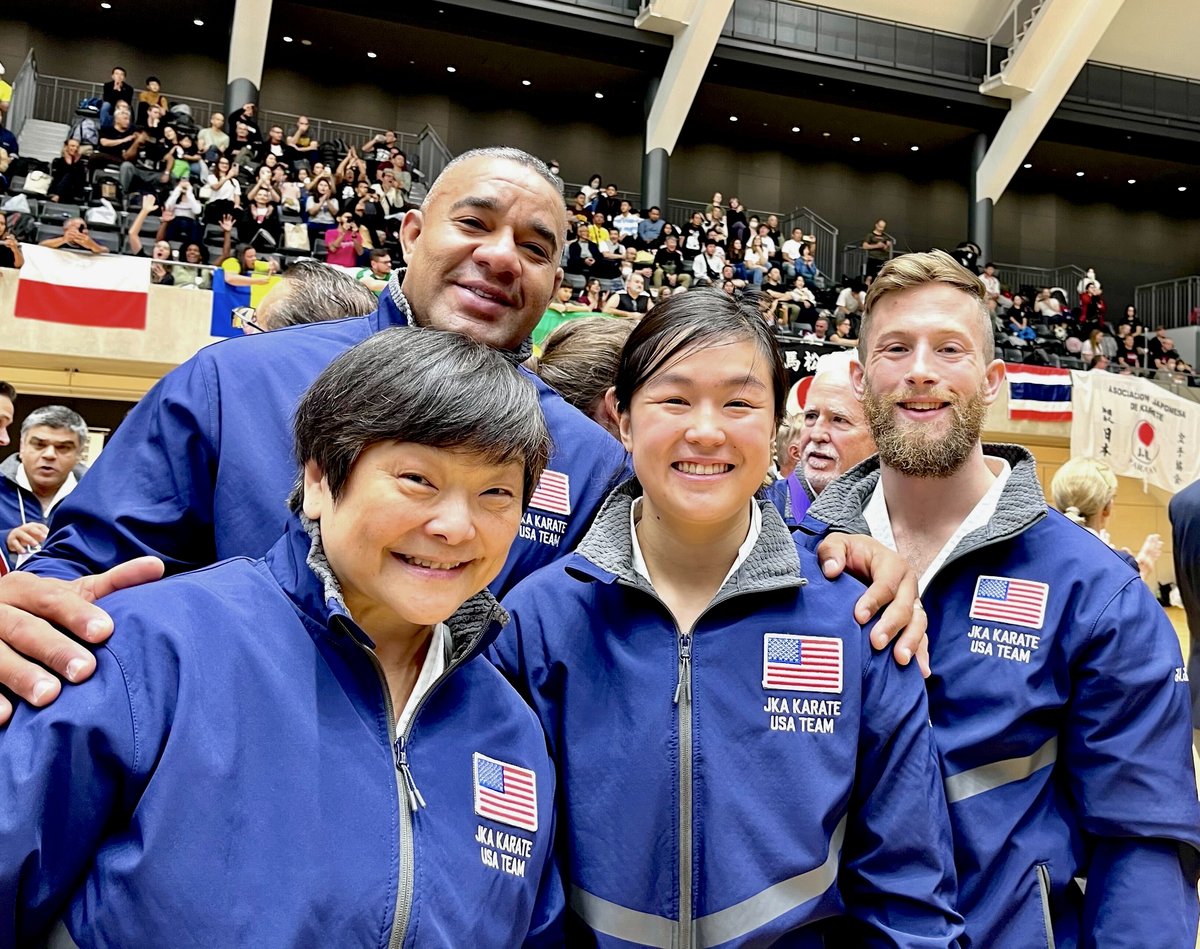
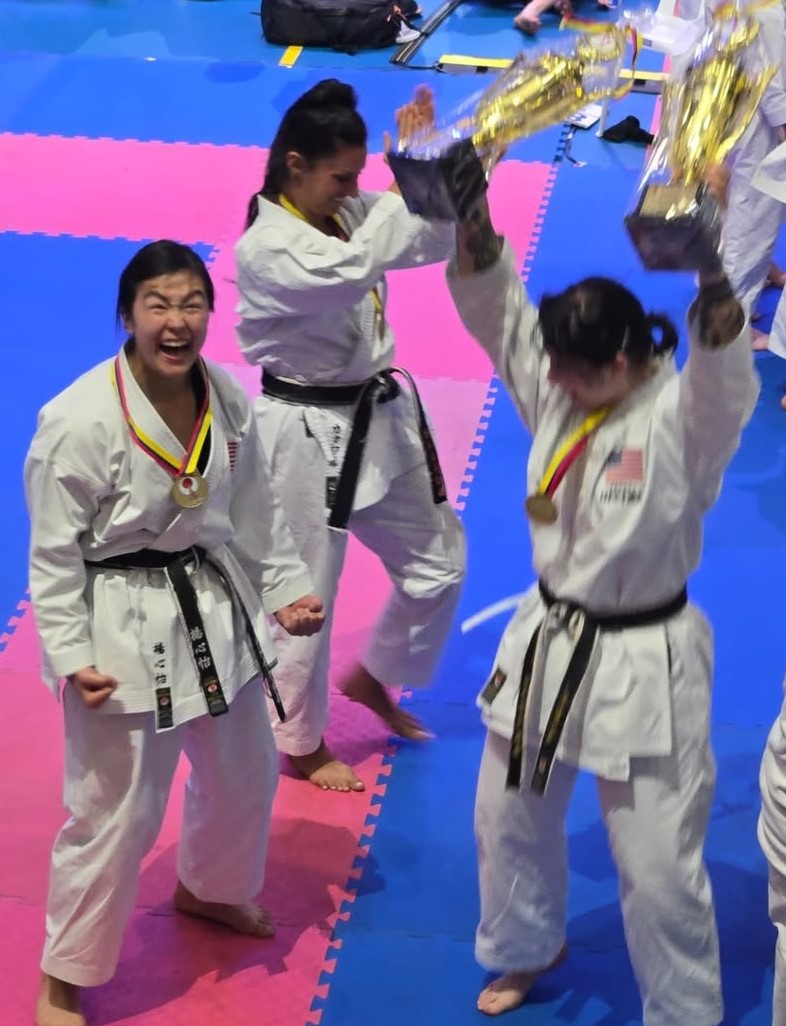
We are a traditional Shotokan Karate club affiliated with the Japan Karate Association American Federation. To find out more about the karate club, go to the about us page. We have kids & adult karate classes five days a week, at our Dojo in San Bruno, about 20 minutes south of San Francisco. If you’d like to train with us, please see our schedule and contact us to find out more.

Our blog page contains information about past and upcoming events, to which you can subscribe to get email updates. Osu!

Hirayama Camp Recap

Posted on

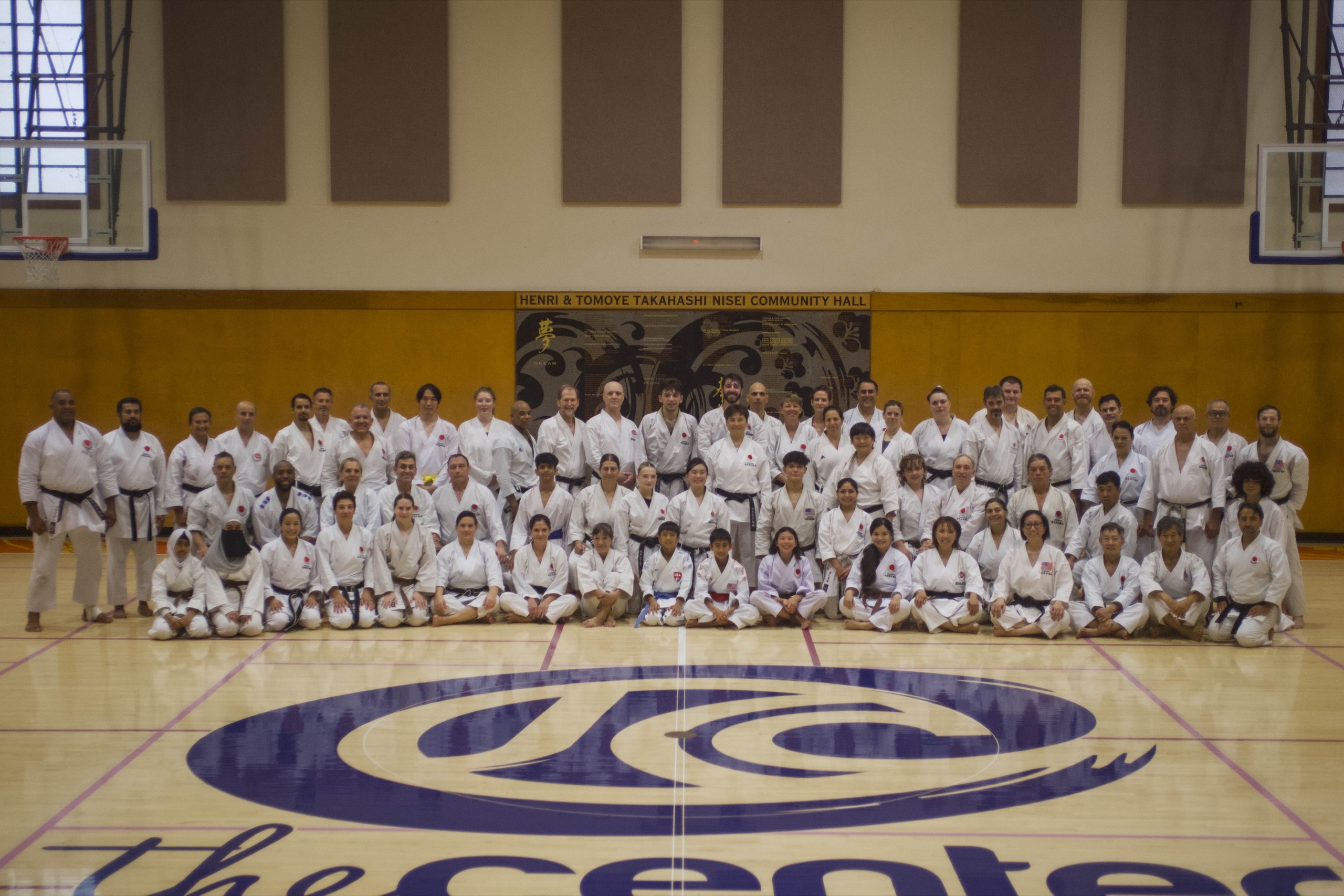
From October 25 to 26, JKA NorCal held its first-ever training camp in San Francisco, California. It was our great honor and privilege to welcome Hirayama Sensei, 7th Dan from the Japan Karate Association Headquarters, as our special guest instructor.

The camp brought together more than 80 karate-ka from across the United States. With attendees coming from as far as Miami, Vancouver, and Tokyo, we’re touched to have received such overwhelming support from the local, national, and international karate community. Additionally, out of all participants, over half were women. The highest-ranked female in the JKA instructor program, Hirayama Sensei is an inspiration for many karateka for her approachability, extensive competitive career, and excellent instruction. With these being her first official classes in the States, it’s no surprise that so many travelled to learn from her! We’re extremely pleased that dojos from so many organizations and affiliations came together, eager to learn.

Friday


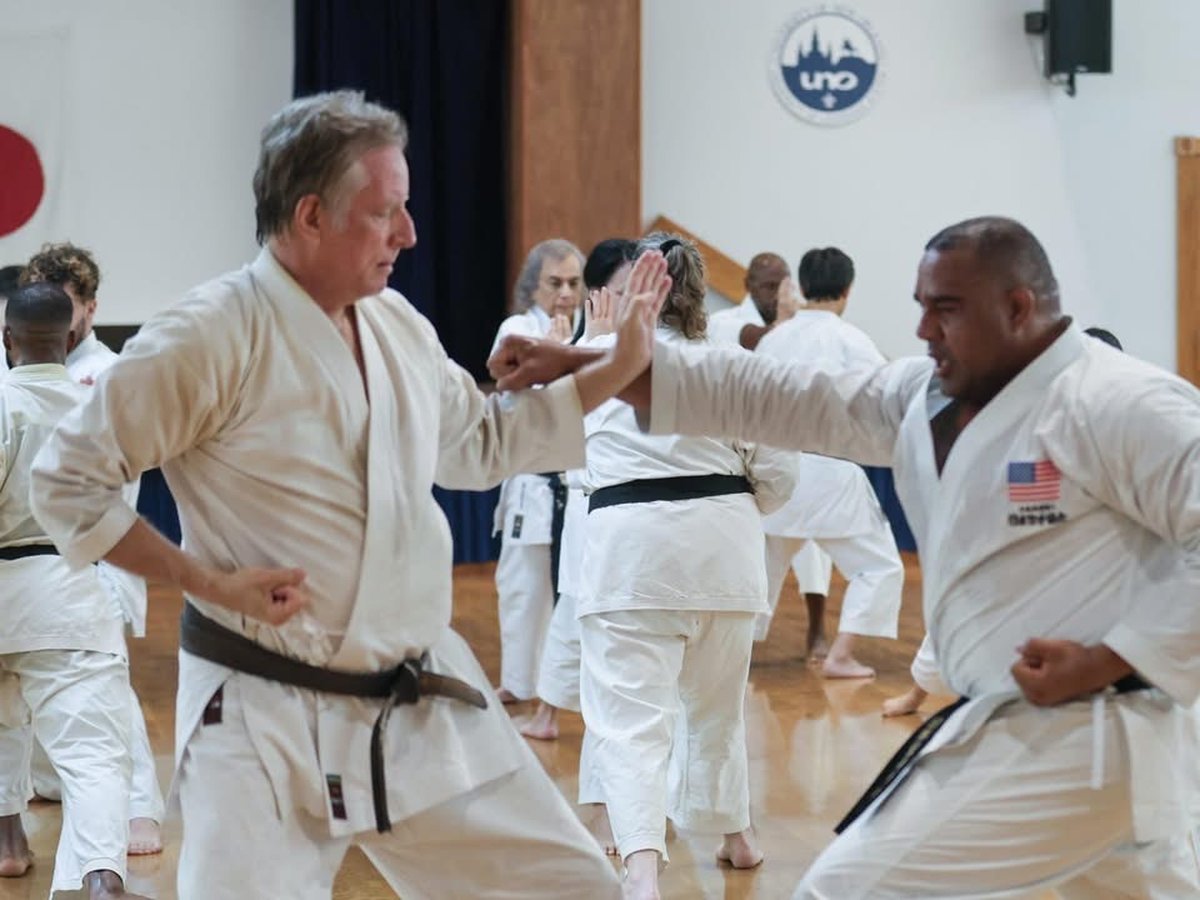
The camp began unofficially with a general class closed to only NorCal students and visiting U.S. National Team members. Here, Hirayama Sensei introduced us to the concept of “0-10-0,” a rapid cycling between relaxation and contraction. This principle encourages practitioners to perform individual techniques at full power, followed by releasing all tension before moving on. She also gave insight into different levels of training by explaining progressions for gohon kumite between the color belt, brown belt, and black belt levels. By framing the drills in such an accessible way, Sensei provided participants of all skill levels a way to apply her lessons in their daily practice.

Hirayama Sensei also led a second, advanced session that continued on the “0-10-0” theme with applications in kihon and kata. Sensei then provided detailed feedback for Bassai Dai, Kanku Dai, and Jion with emphasis on technical precision.

Saturday


OPEN MAT

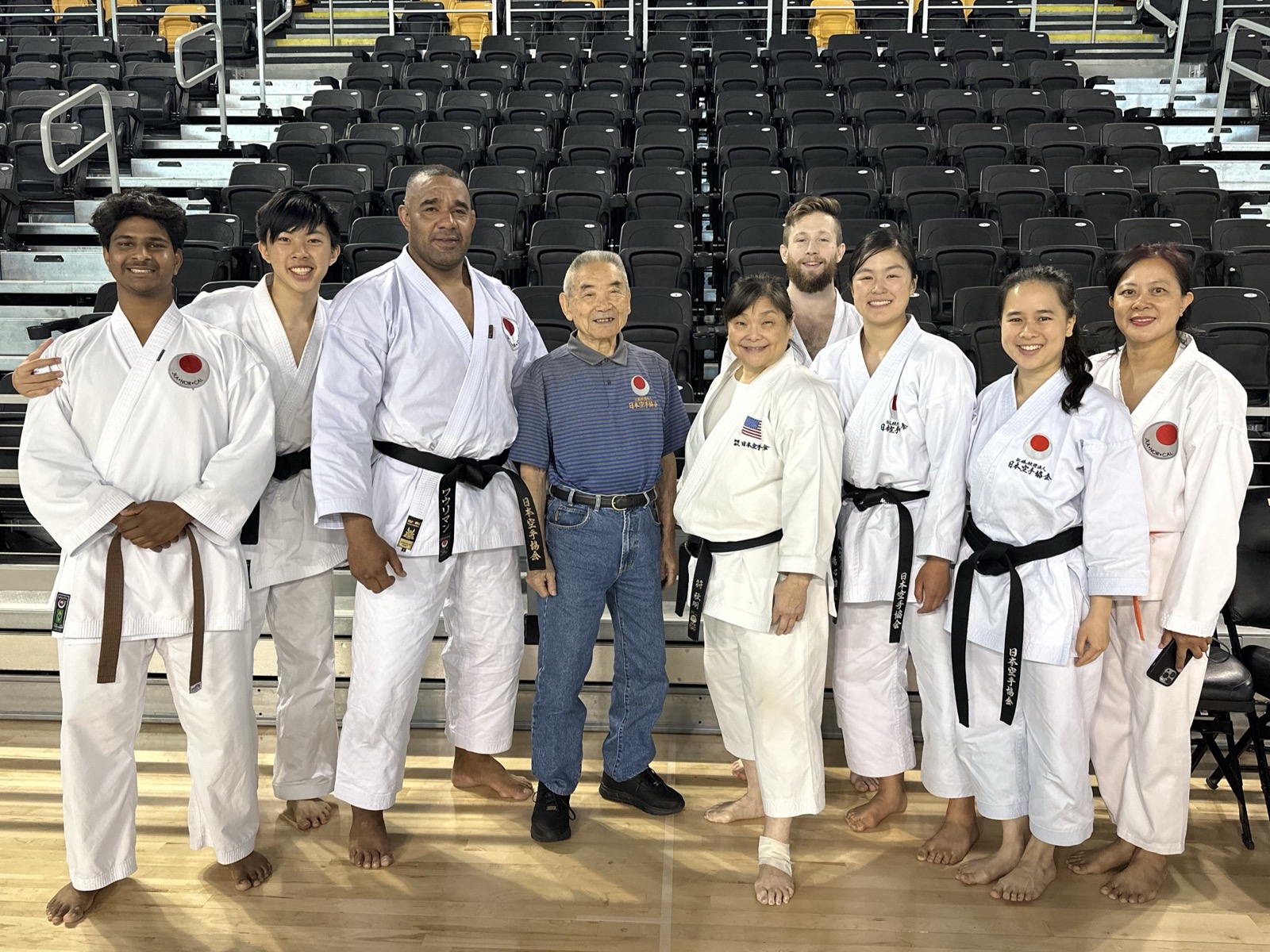
On the official opening day, we kicked off the morning with an open mat. Here, all participants had the opportunity to train with current and former members of the JKA-USA National Team.

This provided a rare opportunity where competitors had open options to work at their own pace in collaboration with other high-level karateka. While some team members ran a short competition-focused kumite class, others reviewed advanced katas with rising competitors or shared personal favorite kihon sequences for improving their mind-body connection. This casual, workshop-esque atmosphere boosted morale, starting everyone’s weekend off with an air of enthusiasm and excitement.

Hirayama Sessions 1-3

After reviewing the concepts from Friday’s closed session, Sensei emphasized using tame (the loading of potential energy into your lower body in transition between techniques) to maximize both power and distance in kihon and kumite. This can be easily demonstrated when comparing two types of gyakuzuki (reverse punch). The first, where one completes their punch at the same time the foot lands, is quick but limits one’s mobility. The second, where one “snakes” their front foot out before the hand technique, allows the attacker the ability to yuriashi (shift in) towards their target and load more power into the hand. The ability to practice and utilize both methods maximizes one’s skillset and gives one another “tool” to apply in kumite.

Another theme was using relaxation to increase the quickness of the hip. This was built upon in kihon sequences that cut quick angles and in a partner kumite drill that required quickly stepping backward to avoid an oizuki.

Hirayama Sensei finished the day with a deep dive into Empi. She spoke about using internal tension in one’s legs for proper stance transitions, particularly in the shuto-uke sequences. A general focus of kata instruction was on correct execution, which encompasses correctness of posture, stances, hip positions, eye direction, and course (trajectory) of techniques.

Hirayama Sensei instructing on Empi.

Sunday


Hirayama Sessions 4-5

Sunday’s classes began with exercises that emphasized the importance of a stable base to generate power. For example, punching with the feet fully together or with one foot off the floor is significantly more difficult than punching from the standard shizentai. Keeping that extra focus on the support leg in mind, Sensei walked the class through kihon sequences that challenged everyone’s control of weight distribution. This eventually evolved into a fast-paced three-partner drill that challenged participants to push for speed while still relying on that supporting foot to drive the hand.

The afternoon session was an advanced session that covered Unsu. After a quick review of proper foot courses for sanchin-dachi and nekoashi-dachi, Sensei gave technical details throughout a full kata walkthrough. Special focus was given to the kibadachi sequence after the first kiai. She stressed that one should train to be able to generate power both with and without the yuriashi to aid them. Thus, we must rely on other parts of the technique to maintain a similar feel to our techniques. Examples are whipping the ageshuto hand while firmly pulling the hikite hand or using the connection into the feet to initiate the drive of the torso. Sensei also gave a short progression to help camp-goers with breaking down the jump. Similar to in Kanku-sho, you can first practice rotating 360 degrees around a vertical axis and stepping backwards into the landing position without ever leaving the ground. From there, you can slowly speed up and make the axis increasingly horizontal. Finally, you should work on dropping from standing into your final position, landing your hands and feet at the same time to make a single sound.

We are deeply grateful to the Japanese Cultural and Community Center of Northern California for allowing us to use their beautiful space and connect our event to the rich cultural history in San Francisco. We would also like to express our sincere gratitude to Hirayama Sensei for her exceptional instruction and dedication, as well as to the organizers, volunteers, and supporting dojos who made this camp such a success. We hope to see everyone back for next year’s iteration!

INTERVIEW: Yuko Hirayama Sensei

Posted on

Honbu Dojo Instructor & the Highest Ranking Female in JKA

Yuko Hirayama Sensei (7th Dan), as the highest-ranking female among JKA’s instructors, stands today as one of the most respected female leaders in the Shotokan world. Over years of intensive training and teaching, she has built a reputation not only for technical precision but for inspirational leadership—particularly in an era when female competitors were rare in high-level karate.

Hirayama Sensei has also had considerable success in competition, including 1st place in kumite, 2nd place in kata, and selection as Best Competitor in the 45th All Japan Karate Championship (2002).  Her tournament record testifies to a rare fluency in both the combative and artistic dimensions of karate.

Hirayama’s academic background at Tokyo Women’s College of Physical Education, known for being one of Japan’s leading institutions for women’s athletics, added a formal athletic education uncommon among karate instructors of her generation. She has since translated that into a robust teaching presence: whether in domestic or overseas seminars, she is sought after for her ability to balance rigorous technique with motivating support. Her presence as a senior female instructor at JKA Honbu has symbolized opportunity for women in karate, helping break barriers and offering a visible model of achievement in a domain historically dominated by men.

Interview with Hirayama Sensei

The following questions are from an interview conducted with Sensei Hirayama at JKA HQ, Tokyo in collaboration with JKA Santa Monica. Please visit their website and show them your support!


Background

“The longer I train, the more I realize there is to learn—and that keeps karate exciting every day.”

Q: What first led you to begin karate?
A: I started karate in second grade. Back then I actually couldn’t speak to anyone outside my family—my teachers and classmates had never heard my voice. My parents were worried and looked for activities that required a spirited kiai, like kendo or karate, and the three of us siblings began karate together. At first I still couldn’t get my voice out, so my teacher thought I might be a child who didn’t speak. But little by little, because a kiai demands that “Ei!” come out somehow, one day my friends said, “We heard Yu’s voice!” and everyone was surprised. (laughs)

(Follow-up)
Q: As a child, did you also practice other martial arts in junior high or high school?
A: I did kendo for three years in junior high school and three years in high school.

Q: Do kendo and karate share common fundamentals?
A: Yes. Through enbu (like kata), you learn and commit to muscle memory the basic movements. For kumite, kendo and karate are also similar in their footwork, as well as how attacks are “set-up.”

Q: Japan has many traditional budō. Why, among them, did you choose Shotokan karate-dō (JKA) in particular?
A: I visited various dojo, and the best one for me was the JKA. What was good was how thoroughly they did basics. The basics that become the base of kata and kumite are taught strictly and carefully—even to children—and you can feel the power of it just watching.

(Follow-up)
Q: What has sustained your dedication to the art over the decades?
A: I’ve never quit because I simply love training. Some people love tournaments and may stop once their competitive peak passes, but if you love training, there’s no reason to quit (laughs). Karate has kept me in its grasp for decades because every session offers something new—even the most basic class. Even if you take the same class from the same instructor, you’re never in the same exact physical condition, so if you have a radar for learning, you’ll discover something new every time, whether it’s a technique or something about your own body. Feeling the effects of aging can be stressful, but for me it’s often exciting: as fewer things come easily, I must learn to be more deliberate about how I produce power and more clever in setting up techniques, instead of relying only on the speed and explosiveness that young muscles and joints allow. The longer I train, the more I realize there is to learn—and that keeps karate exciting every day.

Philosophy and Teaching

“[In kumite] there will always be split-second moments when you’re in a better position to strike—like when they hesitate, after their attack, etc. You either have to create those moments or be ready seize them when they flash by. Likewise, in life there are many important things in each moment. Whether you can grasp them or not changes your growth.”

Q: As the highest-ranked woman in the world with the JKA, what does this achievement mean to you personally, and how do you hope it inspires others?
A: I feel a tremendous responsibility. To pass on correct karate—both in technique and in spirit—I have to embody those qualities myself and be an example to anyone I train with.

Q: Regardless of rank or experience, what qualities do you think are most important for a karate-ka?
A: In any discipline, being open and straightforward—sunao—is crucial.

(Follow-up)
Q: Could you explain “sunao” more concretely?
A: Sunao—being open and receptive—isn’t easy. To me it means a spirit of inquiry, an honest curiosity toward what the instructor says, and the willingness to suspend disbelief for a momentーsetting aside ‘I can’t’ or ‘I don’t want to,’ and trying first. Even if you don’t know how at the beginning or it doesn’t quite click, repeated practice with your body deepens your understanding—even of the instructor’s unspoken intent. Soon, the dots from many instructors connect into lines; learning grows more enjoyable, and technique improves. Even after all these years, I discover something new in every training because I try to be sunao.

Q: After decades on the dojo floor, do you still have moments that move you?
A: Absolutely—the small discoveries still do it. Whether I’m being taught, teaching, or thinking back to my competitive days, I keep hitting “there’s more to learn” moments. For example, when I myself am being instructed, when I’m the one instructing, or when I’ll watch a younger instructor and think, “Ah, that’s one intuitive way to teach that.”  Karate keeps proving that even after years, full understanding stays just out of reach. Those glimpses of its depth are my favorite—and exactly why it never stops being fascinating.


Q: For your visit to San Francisco, what theme or learning would you most like participants to take away?
A: First and foremost, please ENJOY your karate journey; have fun! Karate is incredibly deep. And the real joy is steadily uncovering that depth. Start by watching others, researching karate from many angles, and experimenting with different techniques with a playful sense of discovery. When practice is enjoyable, growth becomes enjoyable too—and that joy fuels even more growth. Personally, I’ve often found that when I’m having fun, I improve almost without noticing. It reminds me again how powerful simple enjoyment really is.

Q: In karate or in life, is there a “philosophy” or belief that guides your daily training, instruction, and living?
A: In English, “Seize the moment” or “carpe diem.” The same applies in kumite; even when you’re facing an opponent that outmatches you, there will always be split-second moments when you’re in a better position to strike—like when they hesitate, after their attack, etc. You either have to create those moments or be ready seize them when they flash by. Likewise, in life there are many important things in each moment. Whether you can grasp them or not changes your growth. For that, I think you need to always have your antenna up. By staying hungry, important things come into view.


Technical

Q: Men and women have different body types, and karate training can put a heavy load on the body. Do you have any special tips for women to prevent injuries while getting the most out of practice?
A: It’s a tricky question. As your level rises, training gets harder—and the risk of injury goes up a bit, too. That’s why proper warm-ups are crucial, along with aftercare and mental preparation. The goal is to step onto the floor in good condition every time.

(Follow-up) 
Q: Could you explain “mental preparation” a bit more?
A: If your mindset is open—ready to try things and take on challenges, rather than holding back—you’re surprisingly less likely to get hurt. A hungry, forward-leaning attitude shows up in your body. Most injuries happen when you let your guard down. So, when someone is within your arm’s reach, don’t switch off.

Q: Coming back to injury prevention, what self-care do you personally consider essential?
A: Stretching—absolutely. Not just before practice: I’m careful to stretch during short breaks and after training, while the body is still warm. After practice I always go to get a massage at the chiropractor’s as well.

Q: From a woman’s perspective, do you have any advice when training with men, who are inevitably much stronger than we are?
A: Karate isn’t divided by weight classes, and men and women train together, so you can’t help but feel how size translates into differences in effectiveness and power. But with correct body use, women can generate plenty of force. As someone that’s always at a physical disadvantage, you have to always think about two questions during training: 1) how do I create effective force, and 2) how do I dissipate or redirect incoming force?

For example, to maximize power output, you can experiment with “tame”–or how to load potential energy into your lower body in transition between techniques; strong, stable support leg; explosive center-of-gravity shifts; timing of tension and release, etc. It’s also just as important to understand how to redirect your opponent’s incoming power. Use “tai-sabaki” to shift or rotate your body laterally to move your body out of their line of power, as well as experiment with blocking angles and timing. What matters is not colliding head-on.

Q: In general, women tend to have shorter limbs than men and therefore less reach. To overcome that disadvantage, which techniques should women prioritize?
A: There isn’t one magic technique. Against a larger opponent who’s fully primed and ready, your technique won’t land if you go straight in. However, everyone has openings at some point; the key is to either to create vulnerable moments or to capitalize on them the instant they appear. The smaller person should attack when their opponent pauses or hesitates—both moments that can be created by unexpected movements such as fakes or distractions. You can also create a moment where your opponent is in a suboptimal position to attack by knocking their guard down, forcing them to attack/block first, or sweeping.  Catching your opponent on a “sen-no-sen” timing as they come in for an attack or countering after the completion of their attack are also examples of leveraging timing where your opponent is vulnerable.

Q: In some parts of America there is much crime and violence, and many women worry about safety. For women learning karate for self-defense, what mindset or skills do you think are helpful?
A: Early detection of danger is key. It may sound obvious, but if something feels unsafe, leave immediately—“That person looks risky,” “This area feels off.” If you’re at the point of needing to use karate, it’s already late. The aim is to observe well enough that you don’t have to use it, and to get away quickly. Karate can sharpen that kind of situational awareness. In training, when you face partners, you can sense if someone is lively today or low on energy. Sparring demands that you take in subtle cues and respond: are they coming or not? It’s the same outside—your sensitivity to changes in people and environment should sharpen. At the very least, that’s what I want everyone to strive for.


Messages to Women

“…Karate gives you so many chances, through practice, to face that urge to run. You’re constantly put in front of your own weaknesses. Facing yourself is hard, but if you aim toward a positive image of who you want to be and learn to enjoy that process, you just keep growing.”

Q: What message would you like to share with young women and girls who are beginning the path of karate?
A: Use training as opportunities to understand yourself—don’t run from your weak points, but face them; and find your unexpected strengths and polish them.

(Follow-up)
Q: How does karate help with “understanding yourself” and “not running from weak areas”?
A: Well, training is tough—everyone’s tempted to slack off sometimes. That’s exactly why karate gives you so many chances, through practice, to face that urge to run. You’re constantly put in front of your own weaknesses; the people who improve are the ones who set goals like “I want to change in this way” or “I want to become my best self by always doing this.” In kumite, for instance, you might feel fear when you square up against a man or anyone much bigger than you. The ones that can, in that moment, have the resolve—“I won’t back up,” “I’ll step in faster and harder.”—become better. Karate becomes a mirror that throws your raw “self” back at you. On the other hand, in the dojo, people of all ages and ranks, both young and old, train together. When practice feels brutal, we often draw strength from seeing others grinding hard. Seeing a clean, powerful technique makes you think, ‘I want to move like that,’ and it becomes real inspiration. Facing yourself is hard, but if you aim toward a positive image of who you want to be and learn to enjoy that process, you just keep growing.

Q: Suppose a young girl wants to learn karate, but her parents object that it is “too dangerous” or “not for girls.” How should she appeal to them about karate’s merits?
A: First, have them watch. In any sport, you don’t start with dangerous things. Safety comes first. As you progress, risk exists, but because we drill the basics so thoroughly, control in kumite improves—so compared to other contact sports, I don’t consider karate unusually dangerous.

Q: Do you have special advice for women who want to enter tournament kumite? What kind of training and attention will help build the confidence to maybe compete?
A: Training, of course—but above all, courage. It even takes courage to say, “I’m going to compete.” The same is true when you decide to take the initiative in an exchange—every time you go in you need courage. In daily practice, face your partner with the mindset “I won’t retreat; I’ll drive in, even if I have to do it with my eyes closed.

Q: Some men think “karate isn’t feminine.” How would you respond?
A: To men who say such boring things—first, “Good-bye.” (laughs) What is “femininity”? Beauty come in many forms—strengths, kindness, grace, dignity. Someone who can’t recognize that is not worth your time (laughs)

Q: Do you feel karate training is beneficial for women during pregnancy? If so, what adjustments do you recommend?
A: Things like swimming and moderate exercise are considered beneficial for a healthy pregnancy.  I think each person should incorporate appropriate, non-contact training suited to her body. A great example is kata.


Fun Facts

Q: Most people know you as a karate instructor—what’s something unexpected about you that people might be surprised to learn?
A: People say I seem very friendly, but I’m actually shy about entering new groups. As an instructor I needed to communicate with many people, so outwardly I’ve overcome it through karate—but my parents or old friends would be shocked to see.

Q: What is your favorite mode of transportation? What is the model of your dream bike?
A: I love vehicles in general—of course motorcycles, but also cars, buses, trains, planes—across the board. As for a dream bike, I love the look of the Yamaha DragStar.

Q: I’ve heard you recently started hobbies other than karate—could you tell us about them and what you find appealing in each?
A: I’ve ridden motorcycles for a long time, and I’ve always liked hiking. Since COVID, I also started surfing and hip-hop dance.
On a bike, carving winding roads while feeling the wind and the smells around you, taking in the scenery—that’s pure fun. Surfing is all about the incredible feeling of catching a wave. Hip-hop is great when the choreography clicks and you can ride the music. And hiking just feels good—being in nature, with views that are second to none.


Special thanks to the interview and translation team of Katie Chen (JKA Santa Monica) and Yoko Ishida (JKA Hombu Dojo), who made this conversation possible and wrote this article! We’re extremely grateful for the opportunity to connect with Sensei Hirayama and receive such thoughtful and well-articulated responses.

2023 JKA/AF Nationals Results

Posted on

We were honored to have over 43 dojos participate in this year’s JKA American Federation Nationals.

Furthest Traveled

The dojo that traveled the furthest to compete was the JKA Maine dojo.

Judges and Volunteers

We would like to extend a huge thank you to all the judges and volunteers for this event. Truly, this event would not have happened without you. This list of dojos is as entered by registered participants, judges and volunteers.

Judges +
CompetitorsVolunteersDojos
281Tokon Martial Arts
339Miami Shotokan Karate Club
4027JKA Nor Cal
191JKA Maine
131New Orleans Shotokan Academy
112JKA Los Angeles / Machida Academy
90JKA Revere
80HP SHOTOKAN
61JKA WF Chicago Karate Institute, Inc.
140Shotokan Karate institute
61Louisiana Karate Association
72University of Louisiana Lafayette Karate Club
60JKA of New Mexico
110JKA Shiroma NY
52JKA East Bay
40Houramon Dojo
30JKA Las Vegas/Los Angeles
52JKA Karate of Arizona
23Arizona JKA
10Castillo’s Shotokan Karate-Do
10Cleveland/Greenville Shotokan Karate Club
10JKA Ashland
00LKA, JKA of Arizona, & USM Karate Club
70MIT Harvard Karate Hub
30JKA Brooklyn
21Silicon Valley Karate
10Kyoshin Ryu Karate
10NP Shotokan
10Pantoja’s Shotokan Karate Do
10Shotokan Karate Center Coral Springs JKA
10Shotokan Karate Leadership School
10Venice Karate Club
05Shreveport Karate Club
04JKA World Federation America
03JKAAF
02SKDI
01Brevard Shotokan Karate
01Dojo San Bruno
01JKA Emory Karate Club
01JKA Montville
01Maumelle Karate Club
01New Iberia Karate Institute
01Orlando Shotokan Karate Club
01UConn JKA
01United Bay Area Karate Club (UBAKC)
Competitors

JKA NorCal had the most competitors, followed very closely by Miami Shotokan Karate Club from all the way in Florida.

Medals

Tokon took the most medals overall, and also the most Gold, Silver and tied with Miami Shotokan Karate Club for the most Bronze medals overall.

Adult Divisions

Miami Shotokan Karate Club took the most medals overall, as well as the most Gold, Silver and Bronze medals.

Youth Divisions

Tokon took the most medals overall, as well as the most Gold, Silver and Bronze medals.

Dojo Medals

AdultYouthTeamMedal
Dojos 1 2 3 1 2 3 1 2 3 Total
Tokon Martial Arts121110113139
Miami Shotokan Karate Club56513441433
JKA Nor Cal14233712124
JKA Maine41352116
New Orleans Shotokan Academy112431113
JKA Los Angeles / Machida Academy333211
JKA Revere131139
HP SHOTOKAN13127
JKA WF Chicago Karate Institute, Inc.121116
Shotokan Karate institute2215
Louisiana Karate Association11114
University of Louisiana Lafayette Karate Club33
JKA of New Mexico33
JKA Shiroma NY112
JKA East Bay112
Houramon Dojo22
JKA Las Vegas/Los Angeles112
JKA Karate of Arizona11
Arizona JKA11
Castillo’s Shotokan Karate-Do11
Cleveland/Greenville Shotokan Karate Club11
JKA Ashland11
LKA, JKA of Arizona, & USM Karate Club11

Osu!

2023 JKA/AF National Karate Championships

Posted on
Registration

August 1st – September 10th: Early Registration (10% off registration)
September 10th – October 31st: Registration
November 1st (12:00 am): Tournament Registration Closes

All participants should check in on Friday Nov 10, 2023 at the San Francisco Airport Marriott Waterfront (1800 Old Bayshore Hwy, Burlingame, CA 94010) between 6:00 pm – 9:00pm. The check in desk is located on the 2nd floor, outside the Grand Ballroom. You will receive your competitor badge at check-in

There will be limited late check-in on Saturday Nov 11, 2023 beginning at 8:00am. To speed up your check-in, use the following link to complete the JotForm waiver Here

Hosted by:
JKA Northern California

San Francisco Airport Marriott Waterfront:
Burlingame, CA

November 10-12th, 2023

Men, women, children, all ranks and Shotokan organizations are invited! Spectators are welcome!

Dates & Times:


Nationals Check-in, Clinics and Dan testing


Friday November 10, 2023
1:00 pm – 2:00 pm: For all Judges and Officials, Mandatory Judging Seminar and Judges Meeting with Sensei Jose Ferrand, Sensei Jerry Kattawar, Sensei Shu Takahashi, and Sensei Robert Jacobs, led by Sensei Yasuaki Nagatomo. Please register for judging here. (Location: JKA NorCal)
2:00 pm – 3:30 pm: Special Training Seminar with Sensei Jose Ferrand and Sensei Shu Takahashi (Location: JKA NorCal)
4:00pm – 6:00pm: Dan Testing (up to Sandan, Location: JKA NorCal)
6:00pm – 9:00pm: Check in (Location: Grand Ballroom, Marriot Waterfront)

Tournament


Saturday November 11, 2023 (Grand Ballroom)
8:00am – 9:00am: Late Check In. No registrations accepted on this day.
8:30am: National Anthem, Competitors Oath, and Bow-in
9:00am: Competition begins in all rings
6:00pm: Day 1’s competition ends


Sunday November 12, 2023 (Grand Ballroom)
9:15am: Competitors Report, Opening Remarks, Bow-in
10:00am – 2:00pm: Finals
5:00pm: Happy Hour (Junior Ballroom and Foyer)
6:00pm – 10:00pm: Banquet, Announcements, and Post-Tournament Celebration


Registration:

All registration for this tournament must be completed before November 1st! Register for the tournament, testing and judging online at:
https://jkanorcal.org/jka-norcal-shop

The list of all current registered competitors and divisions is here:
https://jkanorcal.org/jka-norcal-shop/tournament-divisions

Waivers must be completed before check-in on Friday, November 10th:
https://form.jotform.com/232205744805049

Registration closes November 1st – but register early to get a discount. Early registration discount 10% off price below on all events ends September 10th midnight! After October 21st, registration increases by 25%

Youth Kata & KumiteIndividual Single Event $50, Two Events $100
Youth or Collegiate
Team Kata & Kumite
Team Kata: $30; Team Kumite $30
Only One person registers for the whole team.
Adult DivisionsIndividual Single Event $50, Two Events $100
Collegiate DivisionsIndividual Single Event $50, Two Events $100
(Receive half off each Collegiate event if also registered for Adult)
Senior 45+ Divisions Individual Single Event $50, Two Events $100
(Receive half off each Senior event if also registered for Adult)
Adult Team Kata & KumiteTeam Kata: $75; Team Kumite $75
Only One person registers for the whole team.
A competitor may register for as many divisions for which they are are eligible (i.e. an 18 year old college student may register for Youth 16-18, Collegiate, and Adult divisions)

tournament rules & regulations

This tournament will be following the JKA tournament rules and regulations.
Beginner and Intermediate divisions will follow slightly modified rules for individual Kata and Kumite.

Eligibility
All shotokan karate practitioners, regardless of local, national, or international affiliation, may compete at the JKA/AF National Karate Championships.

Kata
Beginner: Competitors will perform Two katas selected from Taikyoku Shodan to Heian Godan. Competitors may repeat the same kata from Round 1 in Round 2. Each kata will be scored, and the winner will be selected based upon the combined score.
Intermediate: Competitors will perform Two different katas selected from Heian Shodan to Bassai Dai, Kanku Dai, Empi, and Jion. Competitors must perform a different kata in Round 2 than was performed in Round 1. Each kata will be scored, and the winner will be selected based upon the combined score.
Advanced/Black Belt: Competitors will follow standard JKA Rules for kata with Flagged Heian and Sentai elimination rounds until the top 8. The top 8 will perform their tokui (favorite) kata for scores. The top 4 competitors in the Black Belt Men’s and Women’s divisions will compete in Finals on Sunday. The top 2 competitors in the Advanced Youth 12-13, Youth 14-15, Youth 16-18, Collegiate, and Senior divisions will compete in Finals on Sunday.

Note: Where Beginner and Intermediate divisions are combined competitors may repeat the same kata in Round 2 that was performed in Round 1.

Kumite
Beginner & Intermediate: All matches are shobu-ippon. Competitors will follow a standard single elimination tournament bracket with a split Third-place. Following the completion of the bracket, competitors eliminated in the first round will be paired for exhibition matches.
Advanced/Black Belt: All elimination matches are shobu-ippon. Competitors will follow a standard single elimination tournament bracket with a split Third-place. The top 4 competitors in the Black Belt Men’s and Women’s divisions will compete in Finals on Sunday. The top 2 competitors in the Advanced Youth 12-13, Youth 14-15, Youth 16-18, Collegiate, and Senior divisions will compete in Finals on Sunday. The final match is shobu-nippon.

Accommodations/Hotels/Airfare/Wellness

Hotel: There is a discounted group rate for attendees at the San Francisco Airport Marriott Waterfront. The special room rate will be available until October 12th or until the group block is sold-out, whichever comes first.

Group Name: JKA National Karate Tournament
Booking Link: https://www.marriott.com/event-reservations/reservation-link.mi?id=1689873463017&key=GRP&app=resvlink
Start Date: 09-NOV-2023
End Date: 13-NOV-2023
Booking Deadline: Book by October 12th, 2023
Hotel Address: 1800 Old Bayshore Hwy, Burlingame, CA 94010
Hotel Phone Number: (650)-692-9100

Travel: There is discounted airfare via United Airlines to San Francisco International Airport (SFO) for 5-10% off. Oakland (OAK) and San Jose (SJC) are viable airports to fly into, but this code will only apply to flights into SFO. To access the discount, use the link below and enter both codes like so: ZNRH810402

Event Location: San Francisco (SFO)
Z Code: ZNRH
Agreement Code 810402
Valid Travel Dates: 02-Nov-2023 to 21-Nov-2023

Locations

Clinics & Testing

Japan Karate Association Northern California (JKA NorCal)
356 El Camino Real
San Bruno, CA 94066

Tournament

Grand Ballroom (Floor 2)
San Francisco Airport Marriott Waterfront
1800 Old Bayshore Hwy
Burlingame, CA 94010

Hotel

San Francisco Airport Marriott Waterfront
1800 Old Bayshore Hwy
Burlingame, CA 94010